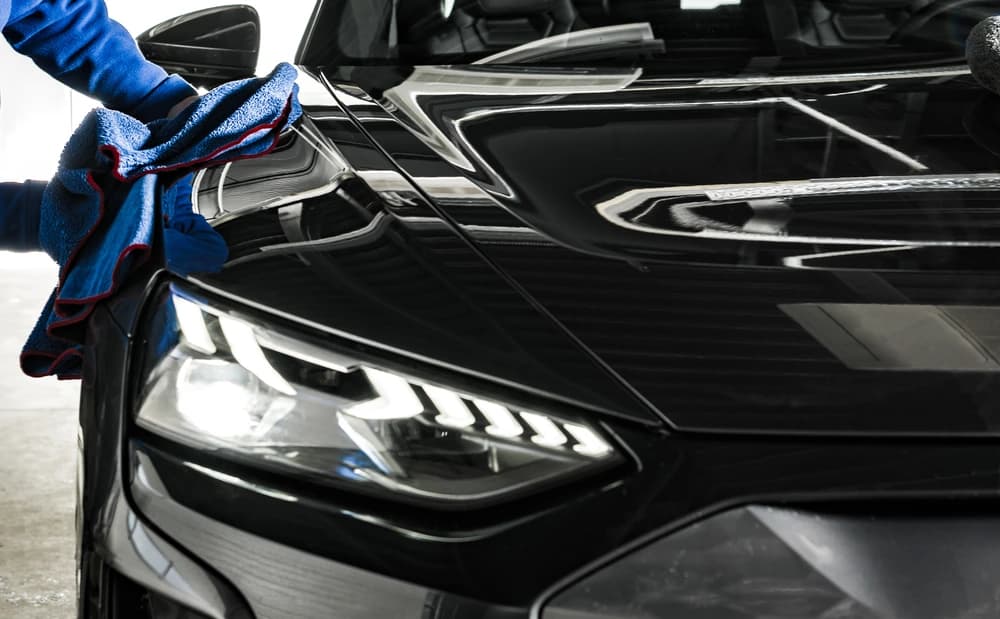
Most paintwork is not ruined by a single incident – it is slowly damaged by everyday habits. This guide highlights five common mistakes that quietly wreck your car’s finish and explains how JWB deals with them week in, week out.
Your paint is dying by a thousand cuts
Those swirls you see in sunlight, the dullness that no wash seems to fix, the ghost-shaped marks on your bonnet – they are almost always man-made. They come from rushed washes, harsh products and leaving contaminants on the surface for too long. The good news is that most of this damage is preventable, and in many cases reversible, when the car is treated properly.
JWB regularly sees cars only a few years old that look far older than they are, purely because of how they have been washed and “valeted”. With the right correction and protection, a tired finish can often be brought back to life and then kept that way.
Mistake 1: Relying on cheap hand car washes
Budget hand car washes are convenient, but the process is usually built around speed and volume, not paint safety. The same sponges, mitts and drying towels are used on dozens of cars a day, with grit and dirt accumulating in the materials. Harsh chemicals strip away any existing protection, while a single bucket of increasingly contaminated water becomes a sanding solution for your clear coat.
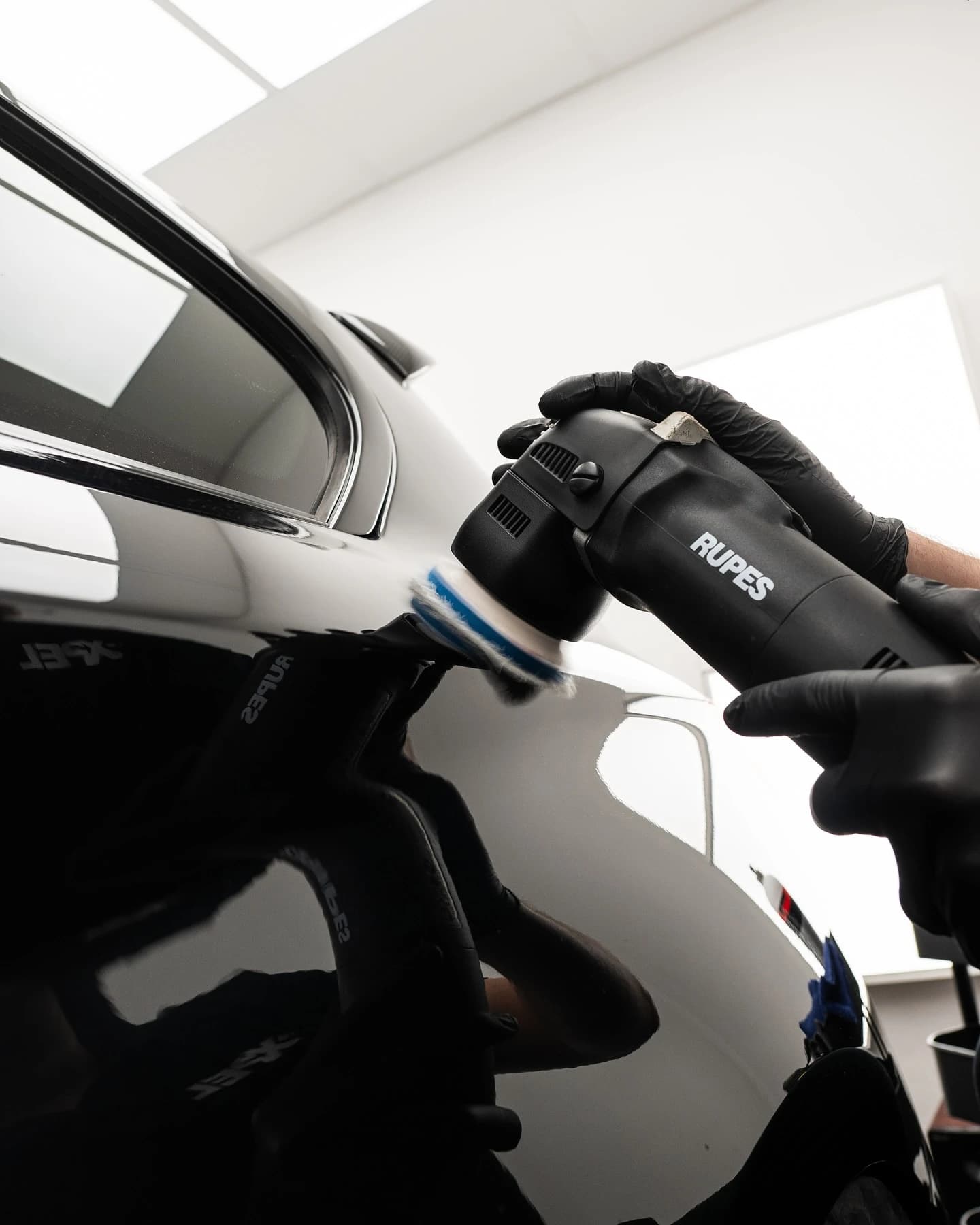
The result is the classic “spiderweb” pattern of swirl marks you see under petrol station lights or in bright sun. Every visit adds a little more damage, slowly turning crisp, glossy paint into a hazy, scratched surface. At JWB, this kind of wash-induced marring is one of the most common problems corrected with machine polishing.
JWB tackles this by first deep-cleaning and decontaminating the paint, then carefully polishing to remove or reduce the swirls. Once the finish is restored, safe wash methods and maintenance services help ensure the car never has to see that sort of treatment again.
Mistake 2: Never decontaminating or protecting the paint
Regular shampoo washes remove loose dirt, but they do almost nothing for bonded contaminants like iron fallout, tar, and traffic film. Over time, these cling to the surface, making the paint feel rough when you gently run your fingertips over it and causing the finish to look flat and lifeless. Without any meaningful protection on top, the clear coat is directly exposed to UV rays, road salt, bird mess and other harsh elements.
Unprotected, contaminated paint loses gloss quickly and stains more easily. Water spots and traffic film become more stubborn, so owners often resort to harsher methods to try to remove them, which only adds more scratches. Many cars that arrive at JWB have never had a proper decontamination; a single thorough treatment often reveals a much fresher-looking surface beneath.
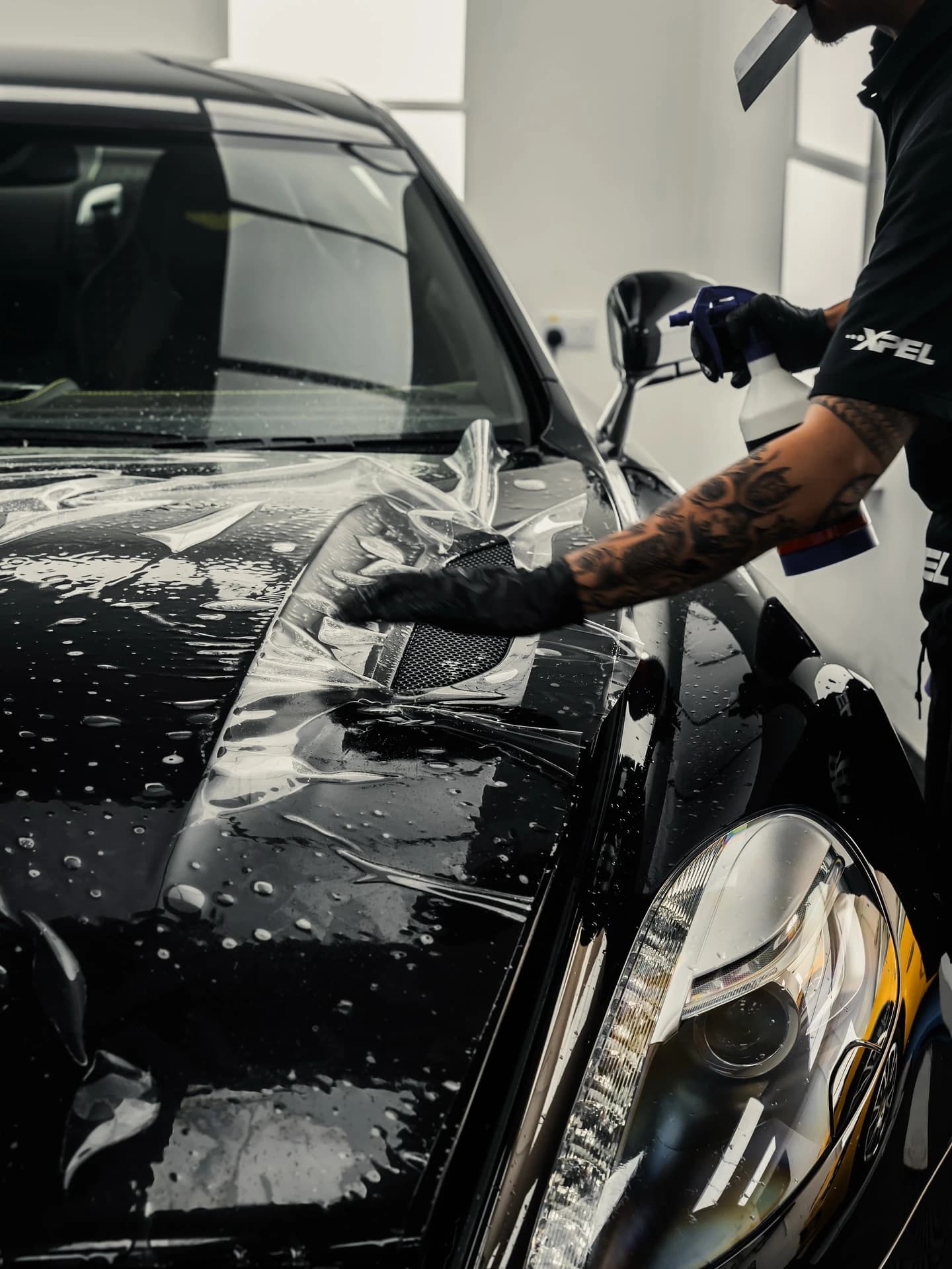
In the studio, JWB uses dedicated decontamination products to dissolve iron deposits, soften and remove tar, and gently clay the surface. Once clean and smooth, high-quality protection is applied – from ceramic coatings on paint and wheels to optional paint protection film on high-impact areas – forming a sacrificial barrier between your clear coat and the world.
Mistake 3: Bad DIY wash technique at home
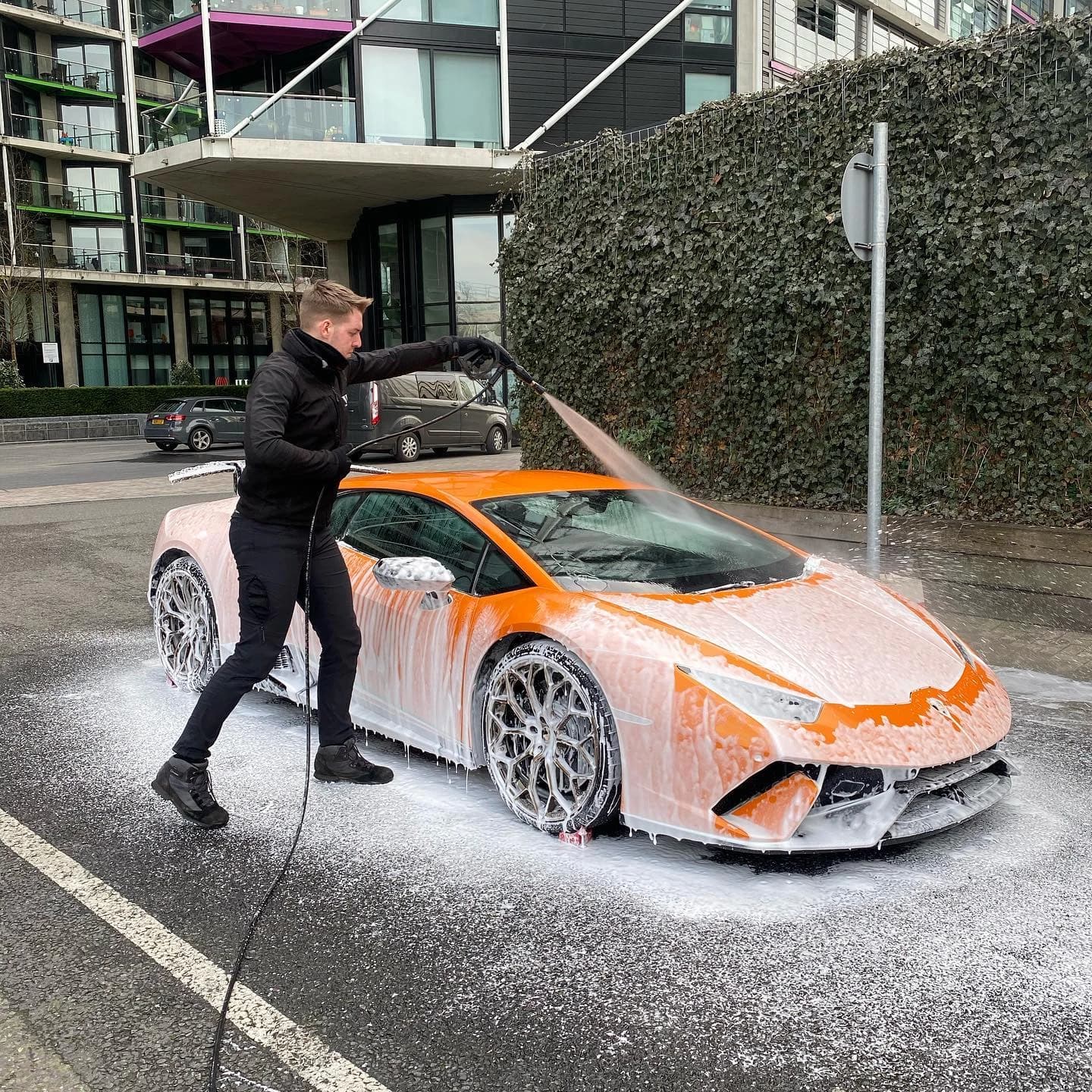
Washing your car at home is often better than using the harshest hand car washes, but only if the right tools and techniques are used. Many owners reach for an old sponge, one bucket of shampoo, and a stack of worn bath towels. They wash in circles, rinse infrequently, and dry with whatever fabric is to hand, often in full sun so water and products dry on the panel.
Even with the best intentions, this approach grinds dirt into the paint and creates fresh swirl marks every time. A sponge or chamois traps grit at the surface, dragging it across the clear coat. Old towels are not designed for delicate finishes and can be surprisingly abrasive. Letting water and shampoo dry on the car bakes in mineral deposits and streaks.
After correcting this kind of “home wash damage”, JWB can provide simple, realistic aftercare advice. That might include recommending a pH-neutral shampoo, a quality wash mitt, the two-bucket method, separate tools for wheels, and soft microfibre drying towels. For owners who do not want the hassle or risk, JWB’s maintenance valeting services offer a professional alternative that keeps the car clean without compromising the finish.
Mistake 4: Ignoring bird droppings, sap and bug splatter
Bird droppings, tree sap and baked-on insects are among the most aggressive contaminants on your paint. They can be acidic or chemically reactive, and when they sit on warm panels in the sun, they can etch into the clear coat surprisingly quickly. Many owners notice a splat on the bonnet or roof and think “I’ll deal with that at the weekend.” By then, the damage is often already done.
Etching shows up as ghost-shaped marks that remain even after washing. Light cases can sometimes be removed or reduced with polishing, but deeper etching may require heavier correction or, in extreme cases, cannot be fully eliminated without compromising the clear coat. JWB frequently deals with these localised problem spots during correction work.
The best defence is a quick response. Keeping a small kit in the car – such as a gentle quick detailer and a soft microfibre – allows you to safely soften and remove fresh deposits as soon as you notice them. A good ceramic coating makes this easier by providing a slick, more chemically resistant surface, and JWB’s detailing services both repair existing etching where possible and add that layer of protection to reduce the risk next time.
Mistake 5: Trusting every dealership valet and “quick fix”
Dealership valets and “quick shine” products can be just as damaging as cheap hand washes, even if the car looks great for a few days. The complimentary wash during a service is often done with the same kind of reused sponges, dirty water and generic chemicals that cause swirls elsewhere. When preparing cars for sale, some outfits rely on filler-heavy polishes and silicone-rich glazes to mask defects rather than genuinely correcting them.
The paint may look glossy under showroom lights, but beneath that temporary shine, the same scratches, holograms and sanding marks remain. As the fillers wash away over time, the defects reappear, leaving owners wondering why their car seems to “age” so quickly after buying it. JWB regularly has to strip away these old fillers, revealing the true condition of the paint before carrying out proper correction.
To avoid this, it is often wise to politely ask dealers not to wash or machine-polish your car at all. Instead, allowing JWB to inspect the paint in a controlled environment means you get an honest picture of what is really happening in the clear coat. From there, a tailored correction and protection plan can be put together that focuses on long-term health, not short-lived gloss.
How JWB fixes these mistakes every week
Most cars that arrive at JWB display at least one of these five issues; many show all of them. The typical process starts with a detailed inspection under strong lighting, sometimes including paint depth readings to understand how much clear coat is available for correction. A thorough wash and full decontamination then reveal the true state of the surface, stripping away masking products and bonded contaminants.
Test polishing is used to dial in the safest, most effective correction approach for that particular paint. The car then undergoes a tailored correction detail – anything from a single-stage enhancement to a multi-stage correction – to remove or significantly reduce swirls, scratches and etching. Once the finish is restored, long-lasting protection is applied, such as ceramic coatings on paint and wheels and paint protection film on vulnerable panels, followed by an aftercare plan.
That aftercare might mean educating the owner on safe DIY washing, or setting up a regular maintenance schedule where JWB handles cleaning and light protection top-ups. The aim is not just to fix the damage created by past mistakes, but to stop those mistakes from repeating so the car can stay in top condition for years rather than months.
A quick self-check – and what to do next
Ask yourself a few honest questions:
- Do you regularly use cheap hand car washes or let the dealer wash your car during servicing?
- Can you see circular swirls or spiderwebbing in the paint under bright light?
- Have you ever left bird droppings or tree sap on the car for days before cleaning it off?
- Has your car ever had a proper machine polish and dedicated protection, or only “quick valets”?
If any of these sound familiar, your paintwork is almost certainly suffering – even if it still looks “okay” at a glance. The earlier you intervene, the more of the clear coat can be preserved and the better the long-term result.
The next step is simple: book an assessment or send clear photos of your paint in good lighting so a professional eye can gauge the damage. From there, you can discuss a correction and protection package that suits your car, budget and how you use it, along with a maintenance plan that fits your routine. Change those five habits, let JWB undo the existing damage, and your car’s paint will stay richer, glossier and healthier for far longer.